

Elon Musk SpaceX IPO valuation: Can $1.75 trillion be justified despite losses, limited revenue and reliance on future vision? Details here
Nancy Jaiswal | Apr 21, 2026, 12:42 IST
SpaceX is targeting a $1.75 trillion valuation despite limited financial data and ongoing losses. Its rocket, Starlink, and AI businesses explain only part of the figure, leaving investors to weigh future potential and bold projections.

Image credit : Indiatimes | SpaceX IPO: Can $1.75T valuation hold up?
Elon Musk has set a $1.75 trillion valuation target for SpaceX as it prepares to sell shares to public investors. The proposed offering stands out due to its scale, but it also raises questions. The company’s core businesses: rockets, satellites, and artificial intelligence—account for only slightly more than half of the valuation. The remaining portion appears tied to expectations around future developments and long-term ideas.
![SpaceX is targeting a $1.75 trillion valuation despite limited financial data ]() The IPO filing remains confidential, leaving only limited financial details available. Reported figures indicate that revenue exceeded $18 billion last year, while the company recorded a net loss of $5 billion. This implies a valuation of roughly 100 times historical revenue for a company that is not yet profitable.
The IPO filing remains confidential, leaving only limited financial details available. Reported figures indicate that revenue exceeded $18 billion last year, while the company recorded a net loss of $5 billion. This implies a valuation of roughly 100 times historical revenue for a company that is not yet profitable.
SpaceX plans to sell $75 billion worth of shares, representing less than 5% of its total valuation. This relatively small float could influence demand. In addition, up to 30% of the shares may be allocated to retail investors, which is higher than typical offerings.
Index providers are also adjusting their inclusion rules. This would allow passive investment funds to add SpaceX shares to their portfolios sooner than usual, potentially increasing demand further.
Despite these factors, investor participation will depend on whether the underlying businesses justify the valuation.
SpaceX operates across multiple areas. Its rocket division has achieved a dominant position, with Musk stating that the company handles 90% of the mass sent into orbit. It currently charges about $1,500 per kilogram, with a goal of reducing that cost significantly.
Launch activity has grown, with total launches reaching 165 last year, although much of this increase came from the company’s own satellites. Revenue from rockets was about $4 billion, and the segment has historically operated near breakeven. Even with a higher valuation multiple, the rocket business contributes a relatively small share to the overall valuation.
Starlink represents a larger component. The satellite network is projected to generate $20 billion in revenue this year, more than 50% higher than in 2025. Comparisons to early mobile operators suggest strong growth potential. Using a higher revenue multiple, the segment could be valued at around $640 billion.
![Elon Musk has set a $1.75 trillion valuation target for SpaceX as it prepares to sell shares to public investors]() The third segment, xAI, was combined with SpaceX earlier in the year. The business reportedly burned about $8 billion over nine months and remains behind competitors such as OpenAI and Anthropic. It is assumed to be valued at $250 billion based on Musk’s own estimate.
The third segment, xAI, was combined with SpaceX earlier in the year. The business reportedly burned about $8 billion over nine months and remains behind competitors such as OpenAI and Anthropic. It is assumed to be valued at $250 billion based on Musk’s own estimate.
Even with these segments, the combined value falls short of the $1.75 trillion target. Much of the remaining valuation is linked to future concepts. These include space-based data centers powered by solar energy. Musk has stated that such systems could become cost-effective within two to three years.
SpaceX has proposed a system involving up to one million satellites. Estimates suggest this could equal about 10% of current global data center capacity. However, current launch costs remain too high for such projects to compete with Earth-based alternatives.
Additional challenges include cooling costs and rapid depreciation in space environments. Lower launch costs would be required to make these ideas viable.
The company’s broader vision includes projects such as zero-gravity manufacturing, space tourism, asteroid mining, and even Mars colonization. Musk has estimated that major technological improvements could reduce costs significantly, but such projections remain uncertain.
These ideas may not generate near-term economic returns. However, they could influence investor sentiment. A similar pattern is seen with Tesla, which holds a valuation of $1.3 trillion based largely on expectations for future technologies rather than current output.
![Musk states that the company handles 90% of the mass sent into orbit]() Investors may adopt a similar approach with SpaceX, focusing on long-term possibilities. However, sustained support will depend on whether these concepts eventually translate into measurable results.
Investors may adopt a similar approach with SpaceX, focusing on long-term possibilities. However, sustained support will depend on whether these concepts eventually translate into measurable results.
SpaceX’s valuation depends on future execution, leaving investors to decide if ambitious projections can justify current financial realities and risks.
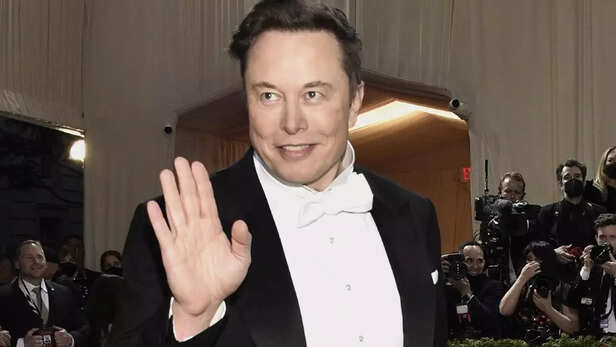
Image credit : X/ElonMuskAOC | SpaceX is targeting a $1.75 trillion valuation despite limited financial data
IPO structure and investor appeal
Index providers are also adjusting their inclusion rules. This would allow passive investment funds to add SpaceX shares to their portfolios sooner than usual, potentially increasing demand further.
Despite these factors, investor participation will depend on whether the underlying businesses justify the valuation.
Business segments: Rockets, starlink, and xAI
Launch activity has grown, with total launches reaching 165 last year, although much of this increase came from the company’s own satellites. Revenue from rockets was about $4 billion, and the segment has historically operated near breakeven. Even with a higher valuation multiple, the rocket business contributes a relatively small share to the overall valuation.
Starlink represents a larger component. The satellite network is projected to generate $20 billion in revenue this year, more than 50% higher than in 2025. Comparisons to early mobile operators suggest strong growth potential. Using a higher revenue multiple, the segment could be valued at around $640 billion.
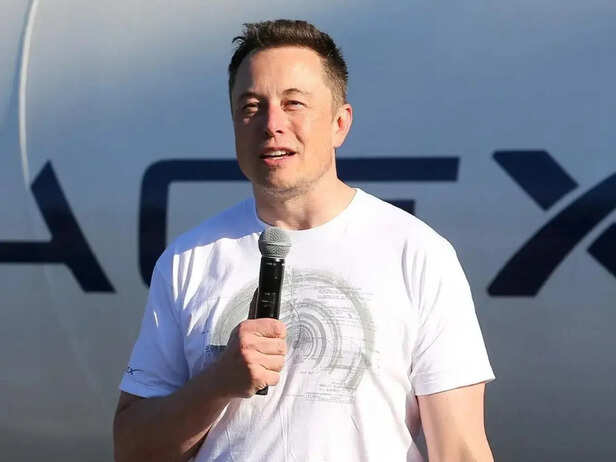
Image credit : X/ElonMuskAOC | Elon Musk has set a $1.75 trillion valuation target for SpaceX as it prepares to sell shares to public investors
Future projects and valuation gap
SpaceX has proposed a system involving up to one million satellites. Estimates suggest this could equal about 10% of current global data center capacity. However, current launch costs remain too high for such projects to compete with Earth-based alternatives.
Additional challenges include cooling costs and rapid depreciation in space environments. Lower launch costs would be required to make these ideas viable.
Long-term vision and market expectations
These ideas may not generate near-term economic returns. However, they could influence investor sentiment. A similar pattern is seen with Tesla, which holds a valuation of $1.3 trillion based largely on expectations for future technologies rather than current output.
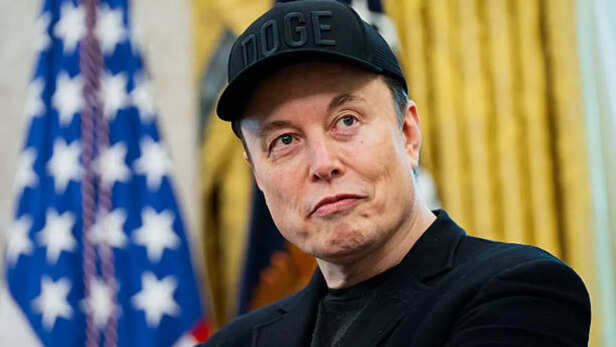
Image credit : X/ElonMuskAOC | Musk states that the company handles 90% of the mass sent into orbit
SpaceX’s valuation depends on future execution, leaving investors to decide if ambitious projections can justify current financial realities and risks.

Printmaxxing turning patterns into Gen Z’s new obsession
By Saloni Jha

What is burrowcore, the cosy chaos trend Gen Z cannot get enough of?
By Saloni Jha

From screen to street: How anime is shaping Gen Z fashion
By Iraa Paul

What is 'iPhone Luna' hype taking over social media?
By Sneha Kumari

Chandratal calling: Why this moon lake is on everyone’s bucket list
By Iraa Paul

Lip blush: The blurred matte lip trend everyone is wearing in 2026
By Sneha Kumari

Why social media turned Elvis Presley’s ‘Hound Dog’ into the weirdest meme
By Saloni Jha


