

Rainbow-washing vs genuine allyship: Why the distinction matters this Pride Month
Iraa Paul | Jun 02, 2026, 12:00 IST
As Pride Month begins, here's the difference between rainbow-washing and genuine allyship. Discover why meaningful LGBTQ+ support goes beyond rainbow logos and marketing campaigns.

Image credit : Chatgpt | allyship is an ongoing practice rather than a label someone earns
With Pride Month officially underway, rainbow flags, colorful campaigns, and supportive messages have once again become a familiar sight across social media, storefronts, and corporate advertisements. June is a time to celebrate the LGBTQ+ community, honor its history, and recognize the ongoing fight for equality. However, as Pride Month grows increasingly mainstream, so does the debate surrounding "rainbow-washing" and what genuine allyship truly looks like.
![]()
While many organizations and public figures express support for LGBTQ+ individuals during Pride Month, not all forms of support are viewed equally. Activists and consumers alike are increasingly asking whether these displays represent meaningful commitment or simply seasonal marketing.
![Rainbow-washing vs genuine allyship: Why the distinction matters this Pride Month]()
Rainbow-washing refers to the practice of using LGBTQ+ symbols, messaging, or Pride-related branding to appear supportive of the community without backing those statements with meaningful action. The term is often applied to companies that adopt rainbow-themed logos, launch Pride merchandise, or release celebratory social media posts during June while doing little to support LGBTQ+ causes throughout the rest of the year.
In many cases, rainbow-washing is seen as an attempt to capitalize on Pride Month's visibility and growing consumer appeal rather than contribute to genuine social progress.
Read More: Explained: How Stan Twitter became the internet's biggest queer safe space and its most toxic battlefield
Pride Month did not begin as a marketing event. Its roots lie in decades of activism, advocacy, and resistance against discrimination. For many members of the LGBTQ+ community, Pride is both a celebration and a reminder of the challenges that still exist.
Critics argue that rainbow-washing can dilute this history by reducing Pride to a branding opportunity. When companies publicly embrace Pride while failing to implement inclusive workplace policies or support LGBTQ+ rights, their campaigns may be perceived as performative rather than authentic.
The criticism is not necessarily directed at brands participating in Pride, but at the disconnect between public messaging and real-world action.
![Rainbow-washing vs genuine allyship: Why the distinction matters this Pride Month]()
Unlike rainbow-washing, genuine allyship extends beyond a single month. It involves consistent efforts to support LGBTQ+ individuals through policies, advocacy, representation, and education.
For businesses, genuine allyship can take many forms, including:
Today's audiences are more informed and socially conscious than ever before. Many consumers now research whether a company's values align with its actions before supporting Pride campaigns or purchasing Pride-themed products.
Questions frequently asked include:
![Rainbow-washing vs genuine allyship: Why the distinction matters this Pride Month]()
The conversation around genuine support extends beyond businesses. Individuals can also play an important role in creating inclusive communities.
Being an ally often means listening to LGBTQ+ voices, educating oneself on relevant issues, challenging discrimination, and supporting LGBTQ+ creators, businesses, and organizations. Small everyday actions can help foster environments where people feel respected and accepted.
Importantly, allyship is an ongoing practice rather than a label someone earns once and keeps forever.
Read More: From chaos to heartbreak: 5 movies that belong to your Pride month watchlist
As Pride Month begins, the discussion around rainbow-washing serves as a reminder that visibility alone is not enough. While rainbow logos and celebratory campaigns can help increase awareness, meaningful progress comes from sustained commitment and tangible action.
The distinction between performative support and genuine allyship ultimately comes down to consistency. Pride Month may shine a spotlight on LGBTQ+ issues, but true allyship continues long after June ends.
In a world where consumers increasingly value authenticity, meaningful support speaks louder than any rainbow-colored marketing campaign ever could.

While many organizations and public figures express support for LGBTQ+ individuals during Pride Month, not all forms of support are viewed equally. Activists and consumers alike are increasingly asking whether these displays represent meaningful commitment or simply seasonal marketing.
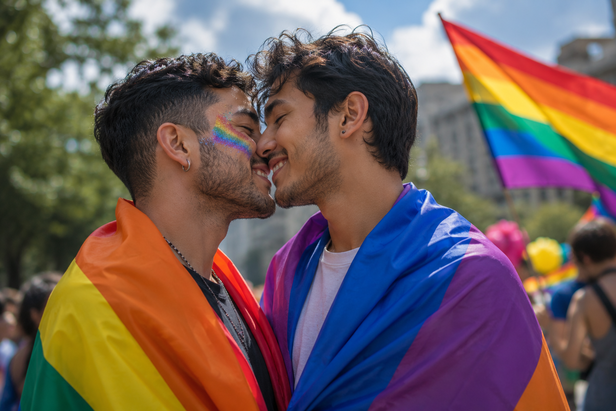
What is rainbow-washing?
In many cases, rainbow-washing is seen as an attempt to capitalize on Pride Month's visibility and growing consumer appeal rather than contribute to genuine social progress.
Read More: Explained: How Stan Twitter became the internet's biggest queer safe space and its most toxic battlefield
Why the criticism matters
Critics argue that rainbow-washing can dilute this history by reducing Pride to a branding opportunity. When companies publicly embrace Pride while failing to implement inclusive workplace policies or support LGBTQ+ rights, their campaigns may be perceived as performative rather than authentic.
The criticism is not necessarily directed at brands participating in Pride, but at the disconnect between public messaging and real-world action.
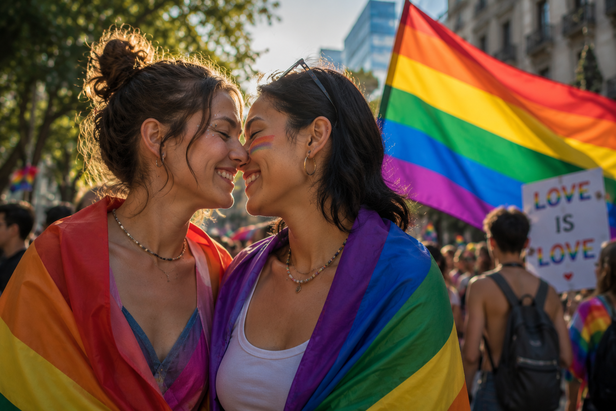
Image credit : ChatGPT | These questions reflect a broader shift toward accountability and transparency.
What genuine allyship looks like
For businesses, genuine allyship can take many forms, including:
- Creating inclusive workplace environments.
- Offering equal benefits and protections for LGBTQ+ employees.
- Supporting LGBTQ+ charities and community organizations.
- Ensuring diverse representation in leadership and marketing.
- Taking public stands against discrimination when it matters.
Consumers are demanding accountability
Questions frequently asked include:
- Does the company support LGBTQ+ employees year-round?
- Are donations being made to relevant organizations?
- Does the company advocate for inclusive policies?
- Is LGBTQ+ representation present beyond Pride marketing?
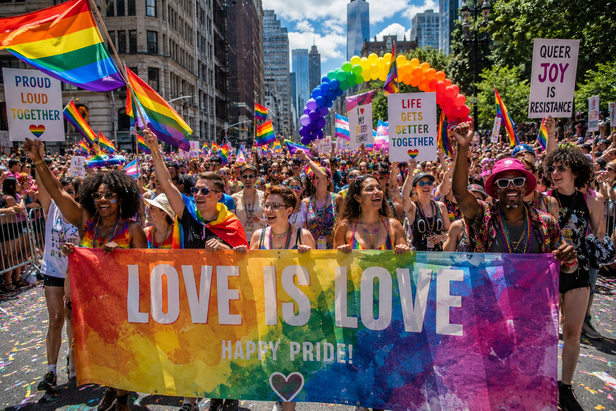
Allyship is not just for corporations
Being an ally often means listening to LGBTQ+ voices, educating oneself on relevant issues, challenging discrimination, and supporting LGBTQ+ creators, businesses, and organizations. Small everyday actions can help foster environments where people feel respected and accepted.
Importantly, allyship is an ongoing practice rather than a label someone earns once and keeps forever.
Read More: From chaos to heartbreak: 5 movies that belong to your Pride month watchlist
Pride Month's message goes beyond the rainbow
The distinction between performative support and genuine allyship ultimately comes down to consistency. Pride Month may shine a spotlight on LGBTQ+ issues, but true allyship continues long after June ends.
In a world where consumers increasingly value authenticity, meaningful support speaks louder than any rainbow-colored marketing campaign ever could.

Erika Kirk UFC Freedom 250 host rumour sparks major fan theories
By Sinthya Banik

China's famous border collie allegedly stolen, sold, and eaten
By Karen Noronha

Waiting for Love For You? Watch Song Wei Long's best C-dramas
By Karen Noronha

Fans troll Elon Musk after transgender daughter Vivian exits interview
By Sinthya Banik

Waiting for GTA 6 release? These 5 classic action games still feel incredible in 2026 and are perfect for surviving the long release drought
By Nillohit Bagchi

When is Free Fire OB54 Advance Server Download releasing?
By Sneha Kumari

Mushoku Tensei season 3 new trailer revealed: 5 biggest takeaways as Rudeus embraces family life while powerful new threats emerge
By Nillohit Bagchi


