

Trump amends tariffs on imported steel & aluminium; New White House order rewrites rules for global suppliers
Nancy Jaiswal | Jun 03, 2026, 12:59 IST
President Donald Trump has revised Section 232 tariffs on select aluminum, steel and copper imports, reducing duties on some derivative products while introducing new provisions affecting foreign suppliers, manufacturers and North American trade partners.

Image credit : Indiatimes | President Donald Trump has revised Section 232 tariffs on select aluminum, steel and copper imports
U.S. President Donald Trump on Monday signed a proclamation modifying his Section 232 national security tariffs on certain aluminum, steel and copper imports. The White House announced the changes, which include lower tariff rates for some derivative products and revised treatment for imports from several trading partners.
![]()
The latest action updates tariff measures that were originally introduced under Section 232 of the Trade Expansion Act of 1962, a law that allows the president to restrict imports on national security grounds.
Under the new proclamation, tariffs on certain aluminum and steel derivative products have been lowered from 25 percent to 15 percent. The reduction applies to a range of products, including agricultural equipment as well as specific heating, air conditioning and ventilation systems.
Trump had initially imposed a 25 percent tariff on aluminum and steel derivative products on April 2. At the time, the administration cited Section 232 authority, arguing that the measures were necessary from a national security perspective.
![Trump had initially imposed a 25 percent tariff on aluminum and steel derivative products on April 2.]()
According to the proclamation, Commerce Secretary Howard Lutnick recommended the tariff adjustment. The recommendation was based on what the document described as "recent circumstances" that "have affected and are affecting" domestic industries that rely on these products.
The proclamation states that the affected equipment plays a significant role in supporting economic activity within the United States.
![Trump first introduced Section 232 tariffs on aluminum and steel imports during his first term in 2018.]() It notes that American farmers depend on agricultural equipment to produce food, while construction equipment remains important for the country's ongoing reindustrialization efforts. The document also highlights the role of material-handling equipment in supporting industrial logistics and factory operations.
It notes that American farmers depend on agricultural equipment to produce food, while construction equipment remains important for the country's ongoing reindustrialization efforts. The document also highlights the role of material-handling equipment in supporting industrial logistics and factory operations.
While tariff rates were lowered on selected products, the administration kept 25 percent tariffs in place for certain other items.
The proclamation specifically mentions aluminum lithographic plates and steel racks as products that remain subject to the higher tariff rate introduced in April.
According to Trump, maintaining the 25 percent levy on those items is intended to prevent companies from bypassing tariffs imposed on metal products.
The proclamation states that keeping these products under the higher tariff structure will help ensure the broader tariff system is not circumvented.
The order also creates a provision allowing companies in certain foreign countries to qualify for a 10 percent tariff rate on products made entirely from aluminum or steel that was melted and poured in the United States.
This provision applies to companies located in Argentina, Ecuador, El Salvador, Guatemala, Japan, Liechtenstein, South Korea, Switzerland, Taiwan, the United Kingdom and the European Union.
The measure introduces a different tariff treatment for qualifying products from those locations, provided they meet the specified sourcing requirements.
The proclamation also addresses products imported from Canada and Mexico that qualify for preferential tariff treatment under the U.S.-Mexico-Canada Agreement (USMCA).
Under the revised rules, a 25 percent tariff will apply only to the portion of the product that does not originate in the United States.
The proclamation defines "non-U.S. content" as the total value of the product minus the value attributable to parts produced within the United States.
![President Donald Trump on Monday signed a proclamation modifying his Section 232 national security tariffs]()
As a result, qualifying Canadian and Mexican products will not face tariffs on the U.S.-made portion of their content.
Trump first introduced Section 232 tariffs on aluminum and steel imports during his first term in 2018. The latest changes come amid broader legal and policy debates surrounding the administration's trade powers.
Earlier this year, after the Supreme Court struck down his emergency tariffs, Trump relied on Section 122 of the Trade Act of 1974 to impose a broad 10 percent tariff on nearly all U.S. imports.
Section 122 gives the president authority to address balance-of-payments deficits through trade measures.
However, that action faced legal challenges. Last month, a three-judge panel of the U.S. Court of International Trade ruled against the global tariffs, finding that the administration had improperly used the provision to impose the import taxes.
The proclamation represents a targeted revision of existing metal tariffs rather than a complete overhaul of the administration's trade policy.
By lowering duties on some industrial and agricultural equipment while maintaining higher tariffs on selected products, the administration has adjusted the structure of its Section 232 measures. At the same time, the order introduces new rules affecting qualifying imports from specific countries and modifies how tariffs are calculated for certain goods entering from Canada and Mexico.
The changes mark the latest development in the administration's ongoing use of trade authorities to manage imports of steel, aluminum and related products.

The latest action updates tariff measures that were originally introduced under Section 232 of the Trade Expansion Act of 1962, a law that allows the president to restrict imports on national security grounds.
Tariff rates reduced on select products
Trump had initially imposed a 25 percent tariff on aluminum and steel derivative products on April 2. At the time, the administration cited Section 232 authority, arguing that the measures were necessary from a national security perspective.
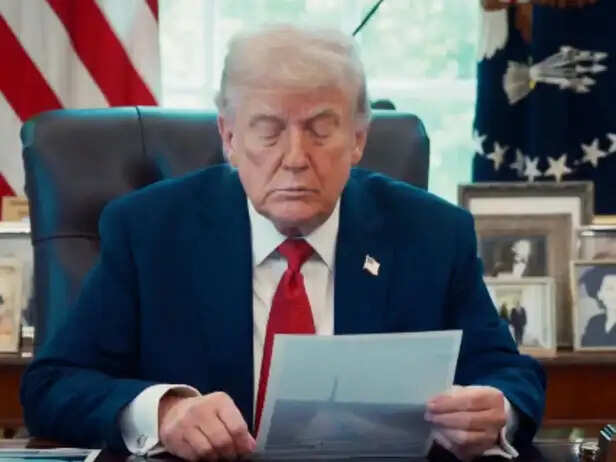
Image credit : X @POTUS | Trump had initially imposed a 25 percent tariff on aluminum and steel derivative products on April 2.
According to the proclamation, Commerce Secretary Howard Lutnick recommended the tariff adjustment. The recommendation was based on what the document described as "recent circumstances" that "have affected and are affecting" domestic industries that rely on these products.
The proclamation states that the affected equipment plays a significant role in supporting economic activity within the United States.
Image credit : Trump first introduced Section 232 tariffs on aluminum and steel imports during his first term in 2018.
Some products remain subject to higher tariffs
The proclamation specifically mentions aluminum lithographic plates and steel racks as products that remain subject to the higher tariff rate introduced in April.
According to Trump, maintaining the 25 percent levy on those items is intended to prevent companies from bypassing tariffs imposed on metal products.
The proclamation states that keeping these products under the higher tariff structure will help ensure the broader tariff system is not circumvented.
New rules for foreign manufacturers
This provision applies to companies located in Argentina, Ecuador, El Salvador, Guatemala, Japan, Liechtenstein, South Korea, Switzerland, Taiwan, the United Kingdom and the European Union.
The measure introduces a different tariff treatment for qualifying products from those locations, provided they meet the specified sourcing requirements.
Canada and Mexico receive separate treatment
Under the revised rules, a 25 percent tariff will apply only to the portion of the product that does not originate in the United States.
The proclamation defines "non-U.S. content" as the total value of the product minus the value attributable to parts produced within the United States.
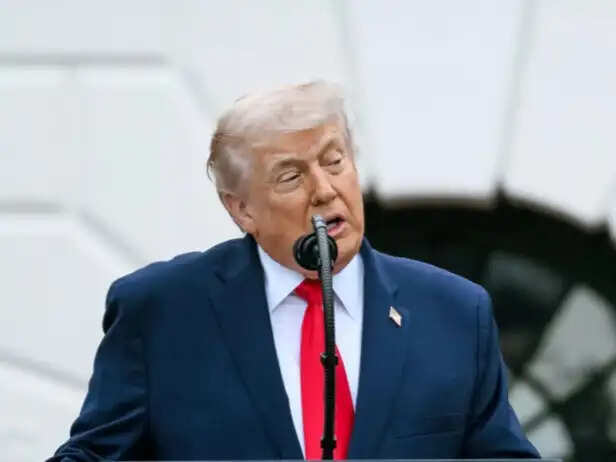
Image credit : X @POTUS | President Donald Trump on Monday signed a proclamation modifying his Section 232 national security tariffs
As a result, qualifying Canadian and Mexican products will not face tariffs on the U.S.-made portion of their content.
Background on section 232 tariffs
Trump first introduced Section 232 tariffs on aluminum and steel imports during his first term in 2018. The latest changes come amid broader legal and policy debates surrounding the administration's trade powers.
Earlier this year, after the Supreme Court struck down his emergency tariffs, Trump relied on Section 122 of the Trade Act of 1974 to impose a broad 10 percent tariff on nearly all U.S. imports.
Section 122 gives the president authority to address balance-of-payments deficits through trade measures.
However, that action faced legal challenges. Last month, a three-judge panel of the U.S. Court of International Trade ruled against the global tariffs, finding that the administration had improperly used the provision to impose the import taxes.
What the changes mean
By lowering duties on some industrial and agricultural equipment while maintaining higher tariffs on selected products, the administration has adjusted the structure of its Section 232 measures. At the same time, the order introduces new rules affecting qualifying imports from specific countries and modifies how tariffs are calculated for certain goods entering from Canada and Mexico.
The changes mark the latest development in the administration's ongoing use of trade authorities to manage imports of steel, aluminum and related products.

Loved Backrooms? 6 movies with similar eerie atmospheres
By Sneha Kumari

Is Allie’s Off Campus haircut the new iconic Rachel cut?
By Saloni Jha

Why does Gen Z collect every random thing?
By Saloni Jha

5 hidden escapes near Delhi that are perfect for a micro-vacation
By Sneha Kumari

What does Kodomomuke anime explore?
By Iraa Paul

Fact check: Will GTA 6 really give Drake his own Radio Station?
By Sneha Kumari

Solo-maxxing explained: Why we like being alone over choosing romance
By Saloni Jha


