

Why Gen Z is obsessed with being authentic, but terrified of looking cringe
Saloni Jha | Jun 03, 2026, 11:15 IST
Gen Z claims cringe is freedom, yet many still hide behind irony, filters and detachment. Is anti-cringe culture just another trend?

For a generation that keeps declaring “cringe is dead”, Gen Z spends a suspicious amount of time worrying about being cringe.
Everyone says authenticity is in. Being weird is cool. Liking niche hobbies is empowering. Posting imperfect photos is supposedly liberating.
Yet somehow, half the internet still sounds like it is apologising for existing.
![]()
So what is going on?
![Shutterstock | X | Much of modern cringe culture still revolves around audience approval. The rules have changed, but the need for validation often remains.]()
Unlike previous generations, Gen Z grew up knowing almost everything could be recorded.
A bad dance move. An awkward phase. An embarrassing opinion. A failed attempt at a new hobby.
What used to disappear into family photo albums can now live forever online.
As a result, many young people have developed what feels like an internal social media referee, constantly evaluating whether something is cool, embarrassing or potentially meme-worthy for all the wrong reasons.
Read More: How crochet is back in fashion and becoming the coolest hobby for Gen Z
![X | You can only pretend not to care for so long before you forget what you actually care about.]()
Scroll through social media and one thing becomes obvious: sincerity is rare.
Many people cushion genuine thoughts with layers of sarcasm, self-deprecating humour and irony. It is a defence mechanism. If you joke about yourself first, nobody else can weaponise it against you.
The problem is that constantly acting detached can become exhausting.
You can only pretend not to care for so long before you forget what you actually care about.
![X | Creators celebrate niche interests, post imperfect content and encourage others to stop treating every social interaction like a public relations exercise.]()
In response, a growing movement has encouraged people to embrace awkwardness and stop obsessing over public opinion.
Creators celebrate niche interests, post imperfect content and encourage others to stop treating every social interaction like a public relations exercise.
The idea is simple: a fulfilling life requires vulnerability.
Here is the uncomfortable question.
If someone posts a deliberately “cringe” video hoping thousands of strangers praise them for being brave, is that freedom or just another performance?
Much of modern cringe culture still revolves around audience approval. The rules have changed, but the need for validation often remains.
Perhaps true freedom is not posting your awkward moment online.
Perhaps it is learning guitar badly, wearing something ridiculous, trying a new hobby or saying something earnest without feeling the need to document it at all.
Because the opposite of cringe is not coolness.
It is indifference. And that might be the one trend the internet still cannot sell.
Read More: Is carrying two phones the new cool? Why the dual-device trend is taking over
Everyone says authenticity is in. Being weird is cool. Liking niche hobbies is empowering. Posting imperfect photos is supposedly liberating.
Yet somehow, half the internet still sounds like it is apologising for existing.

So what is going on?
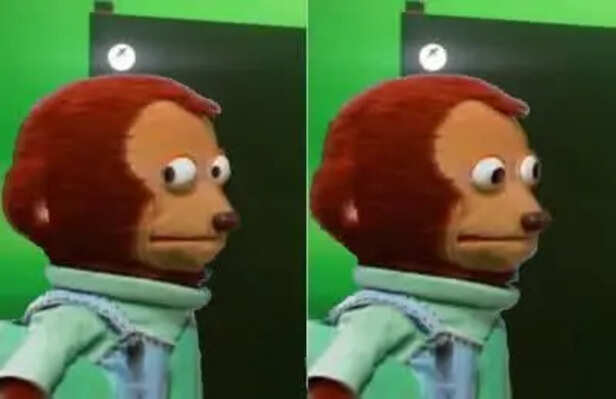
The generation raised under surveillance
A bad dance move. An awkward phase. An embarrassing opinion. A failed attempt at a new hobby.
What used to disappear into family photo albums can now live forever online.
As a result, many young people have developed what feels like an internal social media referee, constantly evaluating whether something is cool, embarrassing or potentially meme-worthy for all the wrong reasons.
Read More: How crochet is back in fashion and becoming the coolest hobby for Gen Z

Image credit : X | You can only pretend not to care for so long before you forget what you actually care about.
Why everyone speaks in irony now
Many people cushion genuine thoughts with layers of sarcasm, self-deprecating humour and irony. It is a defence mechanism. If you joke about yourself first, nobody else can weaponise it against you.
The problem is that constantly acting detached can become exhausting.
You can only pretend not to care for so long before you forget what you actually care about.

Image credit : X | Creators celebrate niche interests, post imperfect content and encourage others to stop treating every social interaction like a public relations exercise.
The rise of “cringe freedom”
Creators celebrate niche interests, post imperfect content and encourage others to stop treating every social interaction like a public relations exercise.
The idea is simple: a fulfilling life requires vulnerability.
But is it actually freedom?
If someone posts a deliberately “cringe” video hoping thousands of strangers praise them for being brave, is that freedom or just another performance?
Much of modern cringe culture still revolves around audience approval. The rules have changed, but the need for validation often remains.
The real test
Perhaps it is learning guitar badly, wearing something ridiculous, trying a new hobby or saying something earnest without feeling the need to document it at all.
Because the opposite of cringe is not coolness.
It is indifference. And that might be the one trend the internet still cannot sell.
Read More: Is carrying two phones the new cool? Why the dual-device trend is taking over

Why does Gen Z collect every random thing?
By Saloni Jha

5 hidden escapes near Delhi that are perfect for a micro-vacation
By Sneha Kumari

What does Kodomomuke anime explore?
By Iraa Paul

Fact check: Will GTA 6 really give Drake his own Radio Station?
By Sneha Kumari

Solo-maxxing explained: Why we like being alone over choosing romance
By Saloni Jha

Indian-origin footballers set to shine at FIFA World Cup 2026
By Sneha Kumari

Clear protein vs whey: Why the lighter option is trending
By Iraa Paul


