

Why going to the movies still matters for Gen Z in the TikTok era
Sneha Kumari | Apr 15, 2026, 09:59 IST
Gen Z, once seen as the decline of cinema culture, is instead reshaping it. They are driving theater attendance, turning films into social events, and extending movie life through online discourse. Cinema now serves as shared emotional experience, digital conversation starter, and escape from fragmented attention in an algorithm-driven world.

Image credit : ChatGPT AI Image | The Internet Didn’t Kill Cinema, It Amplified It
For years, Gen Z was cast as the "death generation" of cinema.
Too online, too distracted, too used to skipping, swiping and speed-watching everything. The logic seemed airtight: why would anyone raised on fifteen-second videos voluntarily sit in a dark room for two hours?
But that story has aged badly.
Today, we are not just watching movies; they are actively rebuilding cinema culture around themselves. They are showing up in theatres in huge numbers, driving premium formats like IMAX and Dolby and turning film releases into social events that spill far beyond the screen.
The twist is simple: they didn't reject cinema. They reprogrammed what "going to the movies" means.
For us, a movie ticket is rarely just a transaction. It's an entry pass into a shared cultural moment. It's the group chat deciding on a time, it's the outfit check before leaving, it's the selfies in the lobby, and it's the post-credit debate that spills into food afterward.
The film itself is only part of the experience. This is why theatrical releases like "Barbenheimer" didn't just perform well; they became cultural flashpoints. Missing them felt like missing a global inside joke.
Cinema, for us, is no longer passive consumption. It's participation.
Cinema is now a "
Here's what's really happening beneath the surface: we are using cinema as a way to synchronise socially in an increasingly fragmented digital life.
Online, everyone is watching different feeds, different edits, different versions of reality. Attention is individualised. Algorithms are personal; even "shared culture" is often asynchronous.
But a cinema reverses that. For two hours, everyone reacts at the same time; no one scrolls, no one rewinds, and everyone experiences the same emotional pacing. That shared timing is rare now. And rarity creates value.
So cinema becomes less about film quality alone and more about collective emotional alignment, something the internet ironically made more desirable by taking it away.
![Pexels | Cinema Isn’t Dying, It’s Being Rewritten]()
One of the biggest misunderstandings about Gen Z is the idea that short-form content destroyed long-form attention.
In reality, it did something more complex; it built a second life for films. Platforms like TikTok and Letterboxd didn't replace theatres; they extended them. A movie now has three stages: the theatrical experience, the online reaction cycle and the meme/discourse afterlife.
Scenes get clipped. Opinions get debated. Characters get reinterpreted. Entire narratives are rebuilt in comment sections. A film that doesn't generate online conversation now feels incomplete, like it never fully "happened".
This is why studios increasingly care not just about box office numbers but also about shareability.
![Pexels | The Rise of Movies as Social Rituals]()
We are often described as attention-fragmented. But fragmentation doesn't mean absence of attention; it creates a craving for controlled attention.
Constant notifications, infinite scroll, and algorithmic pressure produce something unexpected: exhaustion.
Cinema becomes the antidote.
Not because it is nostalgic, but because it is structurally different: no interruptions, no choice overload, no algorithm steering and no performance pressure.
It is one of the few places where attention is now not extracted but voluntarily surrendered. That surrender is increasingly valuable.
![Pexels | Why Theatres Feel More Alive Than Ever]()
The modern film doesn't finish when the screen fades to black. It continues in Letterboxd reviews, TikTok edits, X (formerly called Twitter) debates and group chat autopsies of the ending.
A film like Sinners doesn’t just exist; it mutates. Fan edits circulate, creators respond, and even directors like Ryan Coogler can end up engaging with the online afterlife of their own work.
Cinema is no longer a finished product; it is an ongoing conversation, and Gen Z doesn't just participate in the conversation, they sustain it.
Too online, too distracted, too used to skipping, swiping and speed-watching everything. The logic seemed airtight: why would anyone raised on fifteen-second videos voluntarily sit in a dark room for two hours?
But that story has aged badly.
Today, we are not just watching movies; they are actively rebuilding cinema culture around themselves. They are showing up in theatres in huge numbers, driving premium formats like IMAX and Dolby and turning film releases into social events that spill far beyond the screen.
The twist is simple: they didn't reject cinema. They reprogrammed what "going to the movies" means.
The cinema isn't a place anymore; it's a moment
The film itself is only part of the experience. This is why theatrical releases like "Barbenheimer" didn't just perform well; they became cultural flashpoints. Missing them felt like missing a global inside joke.
Cinema, for us, is no longer passive consumption. It's participation.
Cinema is now a "social synchronisation tool"
Online, everyone is watching different feeds, different edits, different versions of reality. Attention is individualised. Algorithms are personal; even "shared culture" is often asynchronous.
But a cinema reverses that. For two hours, everyone reacts at the same time; no one scrolls, no one rewinds, and everyone experiences the same emotional pacing. That shared timing is rare now. And rarity creates value.
So cinema becomes less about film quality alone and more about collective emotional alignment, something the internet ironically made more desirable by taking it away.
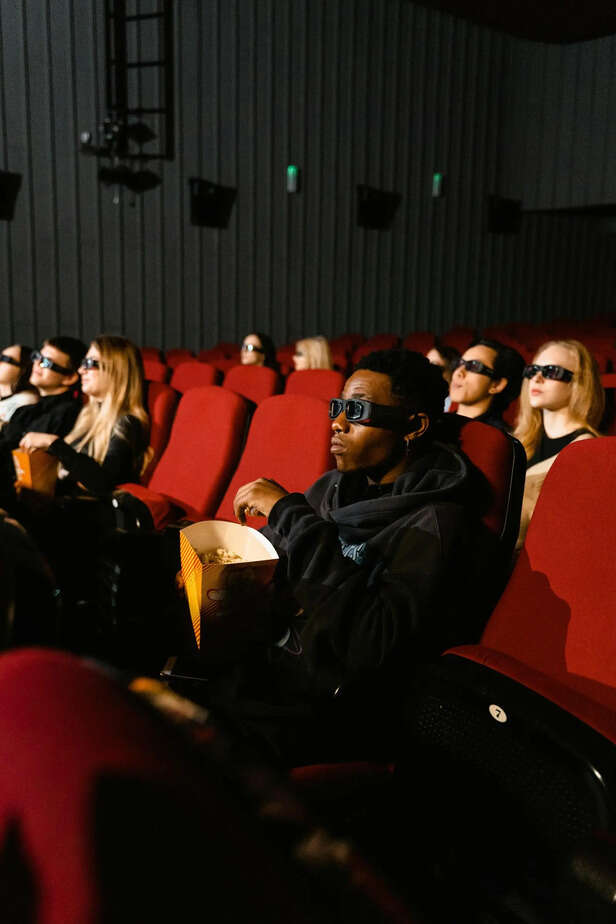
TikTok didn't replace cinema; it's extended it
In reality, it did something more complex; it built a second life for films. Platforms like TikTok and Letterboxd didn't replace theatres; they extended them. A movie now has three stages: the theatrical experience, the online reaction cycle and the meme/discourse afterlife.
Scenes get clipped. Opinions get debated. Characters get reinterpreted. Entire narratives are rebuilt in comment sections. A film that doesn't generate online conversation now feels incomplete, like it never fully "happened".
This is why studios increasingly care not just about box office numbers but also about shareability.
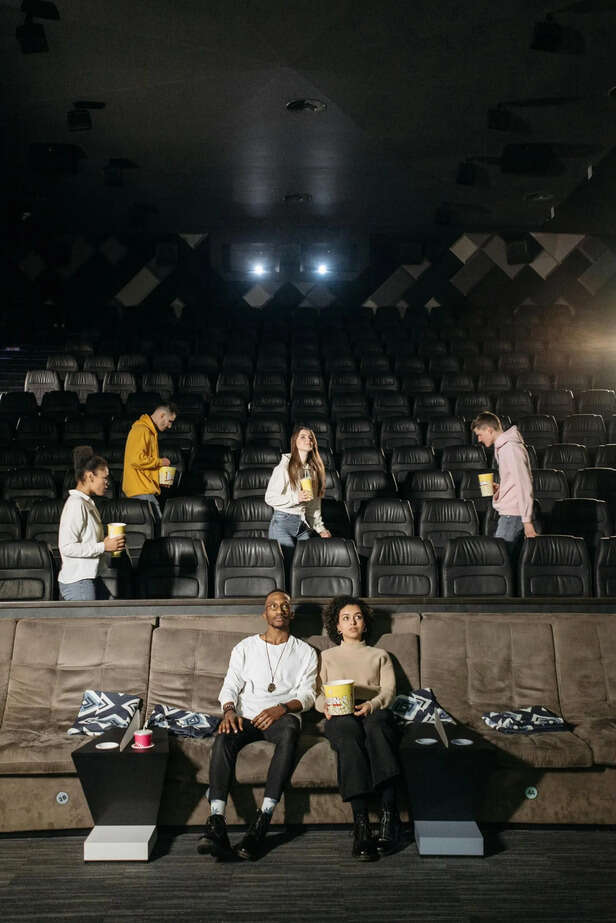
Image credit : Pexels | The Rise of Movies as Social Rituals
The paradox: attention economy burnout creates cinema demand
Constant notifications, infinite scroll, and algorithmic pressure produce something unexpected: exhaustion.
Cinema becomes the antidote.
Not because it is nostalgic, but because it is structurally different: no interruptions, no choice overload, no algorithm steering and no performance pressure.
It is one of the few places where attention is now not extracted but voluntarily surrendered. That surrender is increasingly valuable.
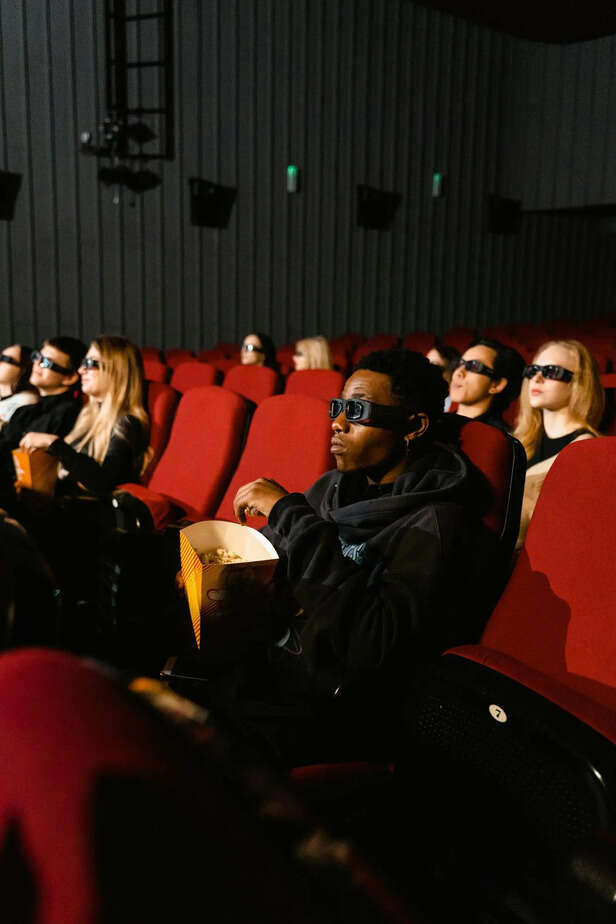
Image credit : Pexels | Why Theatres Feel More Alive Than Ever
The fandom layer: movies don't end at the credits anymore
A film like Sinners doesn’t just exist; it mutates. Fan edits circulate, creators respond, and even directors like Ryan Coogler can end up engaging with the online afterlife of their own work.
Cinema is no longer a finished product; it is an ongoing conversation, and Gen Z doesn't just participate in the conversation, they sustain it.

How the bedazzling trend is taking over Gen Z aesthetics
By Saloni Jha

Kun Faya Kun at Hazrat Nizamuddin Dargah - how to experience it
By Iraa Paul

Who is Camila the Imp? VTuber faces backlash after emotional stream about Lebanon bombings, netizens ask 'authenticity' of the viral claims
By Nillohit Bagchi

Texas Republican Tony Gonzales' political career in crisis
By Karen Noronha

Manchester City fan 'drinking Arsenal tears' clip goes viral as Arsenal’s title race form sparks fresh collapse fears before Etihad clash
By Supratik

Who is Olaolukitan Adon Abel? Suspect in 40-yr-old Lauren Bullis killing tied to multiple random shootings across DeKalb County
By Nillohit Bagchi

Was Millie Bobby Brown’s departure the final blow for Netflix’s Perfect
By Simran Guleria


