
Masculine Meets Feminine: Why Chanel’s gender blur feels so relevant right now
Sneha Kumari | Mar 16, 2026, 11:30 IST
At Paris Fashion Week, Matthieu Blazy presented Chanel’s Fall/Winter 2026 collection, reimagining the house’s iconic suit with relaxed tailoring, modern textures, and playful layering.

Image credit : Instagram | @chanelofficial | Chanel’s Latest Show Reminds Us Why Its Style Formula Still Works
At this season's Paris Fashion Week, the buzz around Chanel wasn't just about the clothes, it was about the attitude behind them. Designer Matthieu Blazy presented the brand's Fall/Winter 2026 ready-to-wear collection inside the glass-domed Grand Palais, and the message felt clear: the future of fashion might look new, but Chanel's core idea still hits differently.
For more than a century, the house founded by Coco Chanel has perfected something fashion still struggles with, blending masculine tailoring with feminine elegance without making it feel forced.
And honestly? That balance feels incredibly us.
![Instagram | @chanelofficial | Chanel’s FW26 Show Proves the Suit Is Still Fashion’s Power Move]()
The show opened with a modern twist on Chanel's most iconic piece: the suit.
Back when Coco Chanel introduced it in the early 1900s, it was revolutionary. Women's fashion at the time was restrictive, corseted and designed more for appearance than comfort. Chanel flipped that idea by borrowing from menswear, structured jackets, looser silhouettes and practical fabrics that allowed women to actually move.
Blazy kept that spirit but made it feel relaxed and modern.
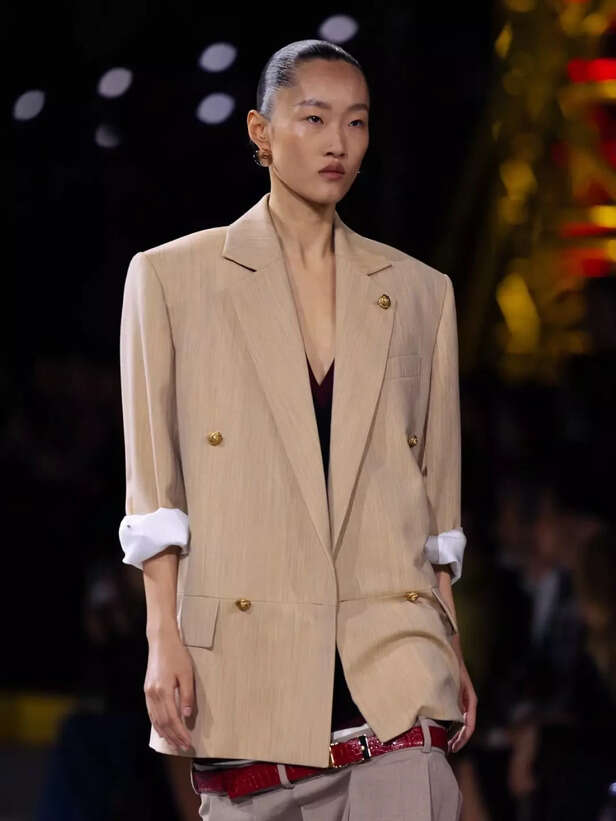
The suit on the runway featured, softer tweeds with looser weaves, rounded shoulder instead of rigid structure and frayed edges that felt intentionally undone.
The result was tailoring that still carried masculine influence but looked effortless and fluid on the body. Instead of stiff power dressing, the view was confident but relaxed.
For us, who often reject gender rules that aesthetic feels naturally aligned with how many already dress.
Blazy didn't treat Chanel's heritage like a museum piece. Instead, he quietly disrupted it. Classic tweeds appeared in unexpected materials like translucent fabrics and shimmering lurex. Shirts were left untucked jackets, silhouettes shifted toward dropped waists and proportions felt deliberately off-balance.
These details created an aesthetic that felt slightly unfinished, in a cool, intentional way.
Blazy described the collection as a 'work in progress', a theme reflected by the show's construction-site-inspired set at the Grand Palais. The idea was simple: Chanel's identity isn't frozen in time. It's constantly being rebuilt.
And that mindset resonates strongly with Gen Z's approach to style, where mixing, experimenting, and redefining classics is the norm.
One of the strongest influences in the collection came from the 1920s concept of La Garconne, the boyish silhouette that Coco Chanel helped popularise. Boxy Blazers and drop-waisted dresses echoed that era, when women began rejecting restrictive fashion in favour of looser, more practical clothing.
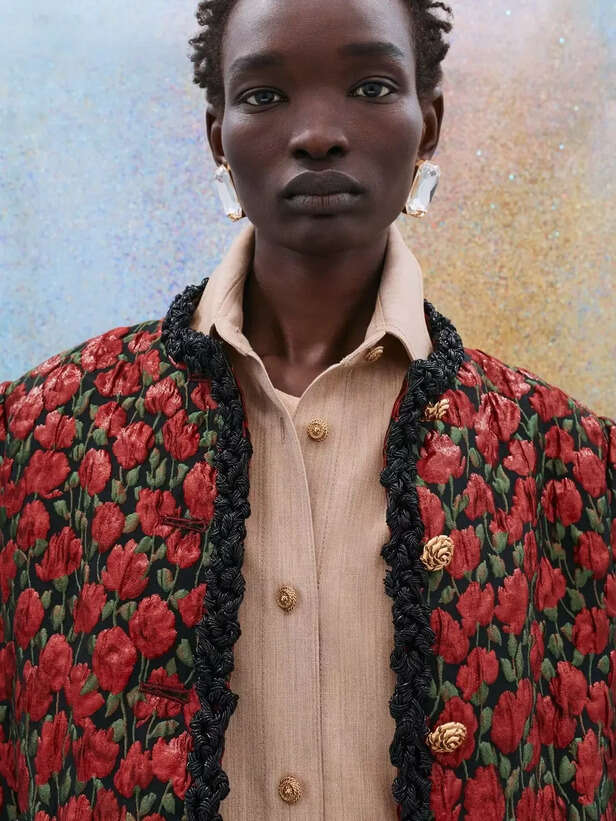
Blazy revived the look with modern textures, metallic tweeds, ribbons, feathered brooches, and shimmering embellishments. The tailoring stayed structured, but the decorative details added softness and playfulness.
The effect was striking: pieces that looked powerful without feeling severe.
![Instagram | @chanelofficial | Inside Chanel’s FW26 Collection Where Tailoring Meets Soft Elegance]()
One thing Chanel continues to get right it practicality.
Even with its fantasy elements, the collection still felt grounded in real life. Jackets were designed to move easily, knitwear looked comfortable enough to wear every day and skirts allowed freedom rather than restriction.
Blazy's vision could be described as 'pragmatic fantasy'
The clothes are imaginative and luxurious, but they still feel wearable. That’s a balance many luxury brands struggle with, especially in an era where Gen Z consumers care about authenticity and functionality as much as aesthetics.
![Instagram | @chanelofficial | Chanel’s Latest Show Reminds Us Why Its Style Formula Still Works]()
What makes this collective interesting isn't just the clothes, it's the cultural timing.
Gen Z grew up in a world where traditional gender boundaries in fashion are rapidly dissolving. Oversized blazers, baggy trousers, sneakers with dresses, fluid silhouettes are now everyday style choices.
But Chanel was experimenting with that exact idea over 100 years ago.
When Coco Chanel borrowed elements from menswear in the early 20th century, she wasn't trying to create androgyny for the sake of trendiness. She was solving a practical problem: women needed clothes that allowed freedom.
Today, that same philosophy aligns with a broader cultural shift. Fashion is less about dressing 'like a man' or 'like a woman,' and more about expressing identity. In that sense, Chanel isn't chasing the gender-fluid trend, it helped invent the mindset behind it. Blazy's collection shows how that philosophy can evolve without losing its roots.
For more than a century, the house founded by Coco Chanel has perfected something fashion still struggles with, blending masculine tailoring with feminine elegance without making it feel forced.
And honestly? That balance feels incredibly us.
The Chanel suit: Still the main character
Back when Coco Chanel introduced it in the early 1900s, it was revolutionary. Women's fashion at the time was restrictive, corseted and designed more for appearance than comfort. Chanel flipped that idea by borrowing from menswear, structured jackets, looser silhouettes and practical fabrics that allowed women to actually move.
Blazy kept that spirit but made it feel relaxed and modern.
The suit on the runway featured, softer tweeds with looser weaves, rounded shoulder instead of rigid structure and frayed edges that felt intentionally undone.
The result was tailoring that still carried masculine influence but looked effortless and fluid on the body. Instead of stiff power dressing, the view was confident but relaxed.
For us, who often reject gender rules that aesthetic feels naturally aligned with how many already dress.
Blazy's subtle disruptions
These details created an aesthetic that felt slightly unfinished, in a cool, intentional way.
Blazy described the collection as a 'work in progress', a theme reflected by the show's construction-site-inspired set at the Grand Palais. The idea was simple: Chanel's identity isn't frozen in time. It's constantly being rebuilt.
And that mindset resonates strongly with Gen Z's approach to style, where mixing, experimenting, and redefining classics is the norm.
The return of La Garconne
Blazy revived the look with modern textures, metallic tweeds, ribbons, feathered brooches, and shimmering embellishments. The tailoring stayed structured, but the decorative details added softness and playfulness.
The effect was striking: pieces that looked powerful without feeling severe.
Fashion that's actually wearable
Even with its fantasy elements, the collection still felt grounded in real life. Jackets were designed to move easily, knitwear looked comfortable enough to wear every day and skirts allowed freedom rather than restriction.
Blazy's vision could be described as 'pragmatic fantasy'
The clothes are imaginative and luxurious, but they still feel wearable. That’s a balance many luxury brands struggle with, especially in an era where Gen Z consumers care about authenticity and functionality as much as aesthetics.

Why Chanel's gender blur feels so relevant right now
Gen Z grew up in a world where traditional gender boundaries in fashion are rapidly dissolving. Oversized blazers, baggy trousers, sneakers with dresses, fluid silhouettes are now everyday style choices.
But Chanel was experimenting with that exact idea over 100 years ago.
When Coco Chanel borrowed elements from menswear in the early 20th century, she wasn't trying to create androgyny for the sake of trendiness. She was solving a practical problem: women needed clothes that allowed freedom.
Today, that same philosophy aligns with a broader cultural shift. Fashion is less about dressing 'like a man' or 'like a woman,' and more about expressing identity. In that sense, Chanel isn't chasing the gender-fluid trend, it helped invent the mindset behind it. Blazy's collection shows how that philosophy can evolve without losing its roots.
Did Alan Jackson’s daughter Dani Grace Jackson really die?
By Sneha Kumari

Project Hail Mary premieres on March 20
By Emmy Azad

What happened to 49-year-old Big D singer David McWane?
By Sneha Kumari

Sean Penn wins Oscar but skips 2026 Academy awards
By Emmy Azad

Is Free Fire OB53 Advance Server registration link live?
By Sneha Kumari

Straight out of 'Stranger Things': Scientists build living walls that grow and heal
By Sneha Kumari

Diane Warren loses 17th Oscar nomination for ‘Dear Me’
By Emmy Azad
