

Parasocial Jealousy is real: Why you feel jealous of people you don’t even know online?
Sneha Kumari | Apr 21, 2026, 12:48 IST
Parasocial jealousy is the feeling of competing with people you don’t actually know, often triggered by social media.

Image credit : ChatGPT AI Image | Parasocial Jealousy Is Real: Why Social Media Makes You Jealous of Strangers
There's a moment in Euphoria that doesn't scream for attention, no breakdowns and no dramatic confrontations, and yet it hits uncomfortably close. Cassie Howard, played by Sydney Sweeney, is seen scrolling through Maddy Perez’s profile. Maddy looks composed, confident, like she exists in a version of life that just...works.
Cassie, technically "ahead", engaged, chosen, and settled; still can't look away.
Nothing is happening. And yet, everything is happening. That quiet, looping feeling? That's parasocial jealously.
We usually talk about parasocial relationships as one-sided love, our attachment to influencers, celebrities, or even fictional characters. But there's a flip side we don't talk about enough: "one-sided competition".
Parasocial jealously is when someone you don't actually know starts to feel like your competition.
Not because they have done anything. But because you have been watching them long enough to start measuring yourself against them.
![Pexels | Why You Feel Jealous of People You Don’t Even Know on Social Media]()
Take Cassie and Maddy.
Cassie isn't really jealous of Maddy's life. She's jealous of what Maddy embodies:
And that's where it gets tricky.
Before social media, jealously needed proximity. A classmate, a colleague, someone in your circle.
Now? All it needs is access. Platforms like Instagram have flattened distance. You can watch someone's life in fragments: a birthday post, a soft launch, a "random" candid that looks like 20 tries and a glow-up that feels effortless.
You don't know them, but you know enough. And your brain fills in the rest, usually in their favour. They start to feel complete, put together and certain.
And once someone feels complete, they can start to feel like a threat.
![Pexels | The Truth About Parasocial Jealousy]()
The weirdest part? It doesn't even feel like jealously at first. It feels like harmless scrolling, staying updated and "just seeing what they are up to".
But underneath, there's always a quiet run in the background. Where do I stand compared to this? And because there's no direct interaction, no conflict, no obvious reason, it's hard to admit what you are feeling.
So instead of saying, "I'm jealous," it turns into, "I need to do better," "I should look like that," and "I'm behind."
And slowly, you start adjusting yourself, your routines, your goals, and your appearance, based on a standard that was never actually set.
Parasocial jealousy isn't just emotional; it's structural. Your feed is not neutral. It's curated.
Algorithms don't just show you random people; they show you people you already engage with, people who trigger a reaction (aspiration, admiration, or insecurity) and versions of life that are aesthetically consistent.
So what happens?
You are not comparing yourself to one person; you are comparing yourself to a pattern.
![Pexels | How Parasocial Jealousy Lives in Your Feed]()
![ChatGPT AI Image | Parasocial Jealousy Is Real: Why Social Media Makes You Jealous of Strangers]()
Back to Cassie. Her mistake isn't just wanting what Maddy has. It's believing there's a finish line. That if she gets that relationship, feels chosen and looks the part...then the comparison will stop.
But parasocial jealousy doesn't work like that because it's not about what you have. It's about what you are still watching.
And as long as you are still watching, the loop continues.
Cassie, technically "ahead", engaged, chosen, and settled; still can't look away.
Nothing is happening. And yet, everything is happening. That quiet, looping feeling? That's parasocial jealously.
So what is parasocial jealously, really?
Parasocial jealously is when someone you don't actually know starts to feel like your competition.
Not because they have done anything. But because you have been watching them long enough to start measuring yourself against them.

Image credit : Pexels | Why You Feel Jealous of People You Don’t Even Know on Social Media
It's not about them. It's about what they represent
Cassie isn't really jealous of Maddy's life. She's jealous of what Maddy embodies:
- Confidence that doesn’t ask for approval
- Being desired without trying too hard
- Control, ease, self-possession
And that's where it gets tricky.
The internet changed the rules
Now? All it needs is access. Platforms like Instagram have flattened distance. You can watch someone's life in fragments: a birthday post, a soft launch, a "random" candid that looks like 20 tries and a glow-up that feels effortless.
You don't know them, but you know enough. And your brain fills in the rest, usually in their favour. They start to feel complete, put together and certain.
And once someone feels complete, they can start to feel like a threat.

Image credit : Pexels | The Truth About Parasocial Jealousy
The scroll that doesn't feel like jealousy
But underneath, there's always a quiet run in the background. Where do I stand compared to this? And because there's no direct interaction, no conflict, no obvious reason, it's hard to admit what you are feeling.
So instead of saying, "I'm jealous," it turns into, "I need to do better," "I should look like that," and "I'm behind."
And slowly, you start adjusting yourself, your routines, your goals, and your appearance, based on a standard that was never actually set.
This isn't jealousy; it's algorithm-driven identity shaping
Algorithms don't just show you random people; they show you people you already engage with, people who trigger a reaction (aspiration, admiration, or insecurity) and versions of life that are aesthetically consistent.
So what happens?
You are not comparing yourself to one person; you are comparing yourself to a pattern.
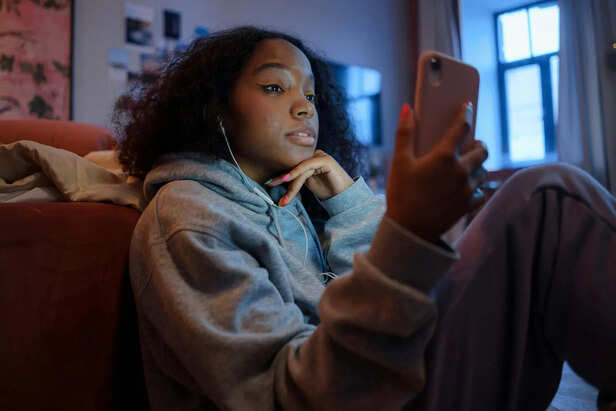
Image credit : Pexels | How Parasocial Jealousy Lives in Your Feed
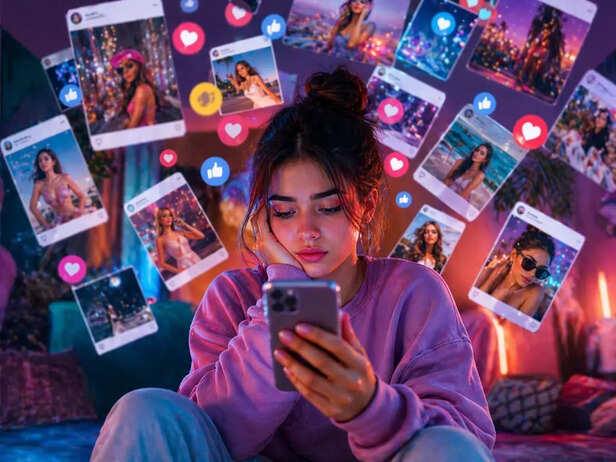
Image credit : ChatGPT AI Image | Parasocial Jealousy Is Real: Why Social Media Makes You Jealous of Strangers
Why it doesn't go away (even when you "win")
But parasocial jealousy doesn't work like that because it's not about what you have. It's about what you are still watching.
And as long as you are still watching, the loop continues.

SpaceX IPO: Can $1.75T valuation hold up?
By Nancy Jaiswal

Printmaxxing turning patterns into Gen Z’s new obsession
By Saloni Jha

What is burrowcore, the cosy chaos trend Gen Z cannot get enough of?
By Saloni Jha

From screen to street: How anime is shaping Gen Z fashion
By Iraa Paul

What is 'iPhone Luna' hype taking over social media?
By Sneha Kumari

Chandratal calling: Why this moon lake is on everyone’s bucket list
By Iraa Paul

Lip blush: The blurred matte lip trend everyone is wearing in 2026
By Sneha Kumari


