

Fake it, flex it, post it: How being performative became the internet’s hottest status symbol
Saloni Jha | Apr 17, 2026, 18:01 IST
Being performative is no longer an insult, it's 2026, and now it is a status move online. But is this polished flex helping anyone at all?

Image credit : AI generated via ChatGPT | Doing things because you actually enjoy them. Caring privately. Reading books no one sees. Wearing what you like without turning it into lore.
Once upon a time, being called performative was social death. It meant fake, try-hard, all surface and zero soul. Now? It is practically a compliment.
We are living in an era where performance is no longer embarrassing. It is aspirational. The right tote bag, the right coffee order, the right niche author casually visible in public, the perfectly messy photo captioned as effortless chaos. Everyone is acting natural with suspicious precision.
![X | The internet may be heading toward a new status symbol: sincerity.]()
The modern flex is not just money anymore. It is taste. Awareness. Knowing what niche thing matters this week.
Owning trending trinkets, speaking fluent therapy language, posting politically aware slides, or curating a personality through tiny aesthetic clues all signal one thing: relevance.
It tells the internet you understand the mood, the code, the culture.
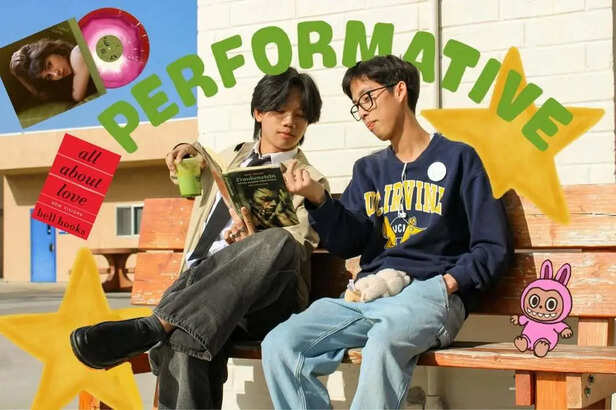
Even masculinity has entered its rebrand era. The rise of the emotionally literate, matcha-drinking, indie-reading man has become its own archetype. Sensitivity itself can now function as social currency.
![baronnews/Instagram | There is also the danger of confusing display with depth. Sharing the right opinion can feel productive, even when no real action follows.]()
Not necessarily.
Sometimes people begin with the image and grow into the reality. Someone may first read feminist literature to seem impressive, then actually learn something. A person may post about a cause for optics, then become genuinely involved later.
Performance can be a gateway drug to substance.
It also helps people find communities quickly. In a noisy digital world, shared signals make belonging faster.
But there is a cost to living like a personal brand.
When every hobby becomes content, joy starts clocking out. If every meal, book, belief, or outfit needs proof, life can start to feel like unpaid admin for your own character.
This creates a new kind of burnout: the fatigue of never switching off.
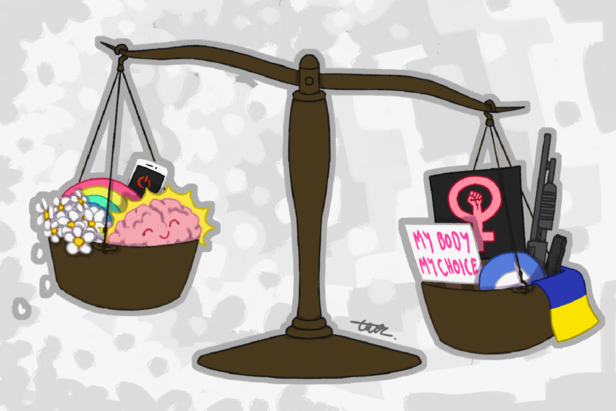
There is also the danger of confusing display with depth. Sharing the right opinion can feel productive, even when no real action follows.
![X | The modern flex is not just money anymore. It is taste. Awareness. Knowing what niche thing matters this week.]()
The internet may be heading toward a new status symbol: sincerity.
Doing things because you actually enjoy them. Caring privately. Reading books no one sees. Wearing what you like without turning it into lore.
Because maybe the biggest flex now is having nothing to prove.
We are living in an era where performance is no longer embarrassing. It is aspirational. The right tote bag, the right coffee order, the right niche author casually visible in public, the perfectly messy photo captioned as effortless chaos. Everyone is acting natural with suspicious precision.

Image credit : X | The internet may be heading toward a new status symbol: sincerity.
When image became currency
Owning trending trinkets, speaking fluent therapy language, posting politically aware slides, or curating a personality through tiny aesthetic clues all signal one thing: relevance.
It tells the internet you understand the mood, the code, the culture.
Even masculinity has entered its rebrand era. The rise of the emotionally literate, matcha-drinking, indie-reading man has become its own archetype. Sensitivity itself can now function as social currency.
Is performance always bad?
Sometimes people begin with the image and grow into the reality. Someone may first read feminist literature to seem impressive, then actually learn something. A person may post about a cause for optics, then become genuinely involved later.
Performance can be a gateway drug to substance.
It also helps people find communities quickly. In a noisy digital world, shared signals make belonging faster.
The exhaustion of always being on
When every hobby becomes content, joy starts clocking out. If every meal, book, belief, or outfit needs proof, life can start to feel like unpaid admin for your own character.
This creates a new kind of burnout: the fatigue of never switching off.
There is also the danger of confusing display with depth. Sharing the right opinion can feel productive, even when no real action follows.
The next real flex
Doing things because you actually enjoy them. Caring privately. Reading books no one sees. Wearing what you like without turning it into lore.
Because maybe the biggest flex now is having nothing to prove.

How to get rid of Instagram’s activity bubbles
By Saloni Jha

Elon Musk backs ‘free money’ as AI threatens jobs
By Nancy Jaiswal

Trump hints at Pakistan visit if Iran deal is signed
By Nancy Jaiswal

Elon Musk confirms more Tesla Diners expansion plan
By Nancy Jaiswal

The viral Savory Girl snack plate trend explained
By Saloni Jha

How Gen Z’s love language became a new vocabulary of flirting
By Saloni Jha

Who is Tesfaye Cooper? Facebook Live torture convict back in custody after brutal Chicago cyclist assault and robbery case
By Nillohit Bagchi


