

Is fashion going digital? How the viral trends changing style faster than ever
Saloni Jha | Jun 05, 2026, 11:02 IST
From AI-designed outfits to virtual try-ons and digital-only clothing, technology is transforming fashion at a speed the industry has never seen before.

Fashion trends used to arrive every season. Now they seem to arrive every five minutes.
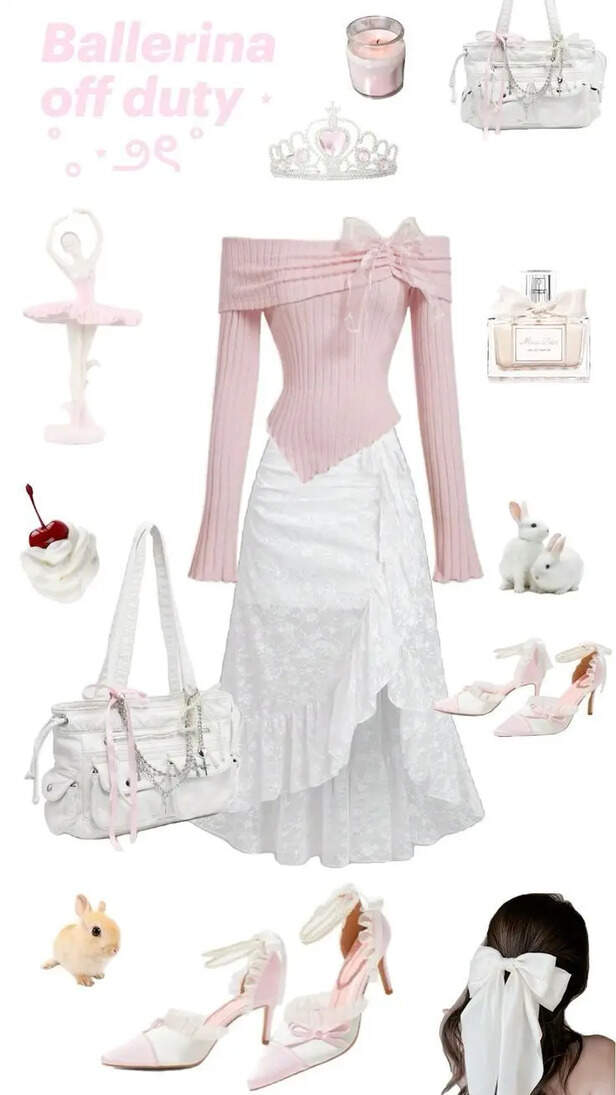
One minute everyone is obsessed with balletcore. The next, an AI has predicted the next big colour trend before designers have even finished sketching their collections. Welcome to fashion's digital era, where technology is not just influencing style—it is completely rewriting the rulebook.
![]()
From virtual outfits to AI-powered design tools, fashion is evolving faster than your For You Page can keep up.
![X | The biggest trend in fashion might not be a colour, silhouette or aesthetic. It might be technology itself.]()
Your next favourite outfit might not even existThe wildest shift in fashion right now is the rise of
Designers are creating virtual garments that exist only online, allowing users to dress avatars across gaming platforms, social media spaces and digital worlds. What once sounded like science fiction is becoming a legitimate part of fashion culture.
For younger consumers who spend significant portions of their lives online, styling a digital version of themselves is starting to feel just as important as getting dressed in real life.
![10 Pop Culture Fashion trends that blew up because of the internet]()
Artificial intelligence is quietly becoming one of the industry's most powerful tools.
Brands are using machine learning to predict trends before they explode, analyse shopping habits and manage inventory with surprising accuracy. Instead of relying purely on instinct, fashion companies now have algorithms helping them understand what consumers want before consumers even realise it themselves.
Slightly terrifying? Maybe.
Extremely effective? Absolutely.
![X | Fashion is becoming more accessible, more interactive and significantly less dependent on physical spaces.]()
Shopping is also getting a major digital makeover.
Augmented reality technology now allows customers to virtually try on clothing, shoes and accessories directly through their phones. Instead of gambling on whether something will suit you, shoppers can see how items look before clicking "buy".
The result is fewer returns, less waste and far fewer moments of ordering something that looks nothing like the photo.
Even fashion shows are going digital.
Rather than flying guests across the world for exclusive runway events, brands are increasingly experimenting with immersive virtual presentations, 3D showcases and digital experiences that can be viewed from anywhere.
Fashion is becoming more accessible, more interactive and significantly less dependent on physical spaces.
The biggest trend in fashion might not be a colour, silhouette or aesthetic.
It might be technology itself.
As AI, virtual clothing and augmented reality continue to reshape how people discover, buy and wear fashion, the industry is becoming more creative, more sustainable and more connected than ever before.
The future of fashion is no longer hanging in a wardrobe.
It is loading on a screen.
One minute everyone is obsessed with balletcore. The next, an AI has predicted the next big colour trend before designers have even finished sketching their collections. Welcome to fashion's digital era, where technology is not just influencing style—it is completely rewriting the rulebook.

From virtual outfits to AI-powered design tools, fashion is evolving faster than your For You Page can keep up.

Image credit : X | The biggest trend in fashion might not be a colour, silhouette or aesthetic. It might be technology itself.
Your next favourite outfit might not even existThe wildest shift in fashion right now is the rise of digital clothing .Yes, actual clothes made entirely of pixels.
For younger consumers who spend significant portions of their lives online, styling a digital version of themselves is starting to feel just as important as getting dressed in real life.
AI is becoming fashion's new crystal ball
Brands are using machine learning to predict trends before they explode, analyse shopping habits and manage inventory with surprising accuracy. Instead of relying purely on instinct, fashion companies now have algorithms helping them understand what consumers want before consumers even realise it themselves.
Slightly terrifying? Maybe.
Extremely effective? Absolutely.
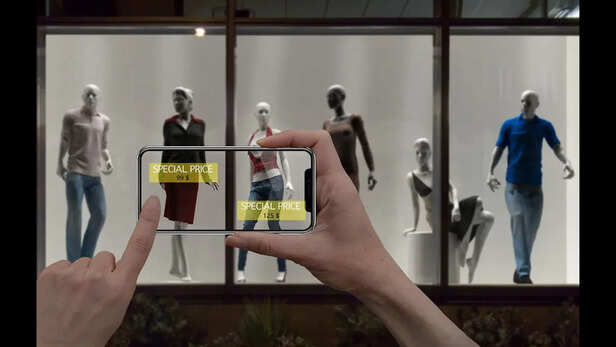
Trying on clothes without leaving your sofa
Augmented reality technology now allows customers to virtually try on clothing, shoes and accessories directly through their phones. Instead of gambling on whether something will suit you, shoppers can see how items look before clicking "buy".
The result is fewer returns, less waste and far fewer moments of ordering something that looks nothing like the photo.
The runway is moving online
Rather than flying guests across the world for exclusive runway events, brands are increasingly experimenting with immersive virtual presentations, 3D showcases and digital experiences that can be viewed from anywhere.
Fashion is becoming more accessible, more interactive and significantly less dependent on physical spaces.
Fashion's future is already here
It might be technology itself.
As AI, virtual clothing and augmented reality continue to reshape how people discover, buy and wear fashion, the industry is becoming more creative, more sustainable and more connected than ever before.
The future of fashion is no longer hanging in a wardrobe.
It is loading on a screen.

SpaceX IPO nears $1.77 trillion valuation: Can Elon Musk deliver another Tesla-style windfall for investors?
By Nancy Jaiswal

The era of no romance: Is yearning dead in dating?
By Saloni Jha

These books prove LGBTQ stories from Asia hit differently
By Karen Noronha

Trump under pressure: US House passes Iran War resolution — Will Republicans in the Senate follow?
By Nancy Jaiswal

These K-dramas confront loneliness, grief and survival
By Karen Noronha

SpaceX neo cloud strategy: Why Anthropic’s claude is turning to Elon Musk’s colossus data centers for critical AI compute
By Nancy Jaiswal

Erika Kirk UFC Freedom 250 host rumour sparks major fan theories
By Sinthya Banik


